House Tours Extra: Historic 17th Century Pub
Explore a Historic 17th Century Pub
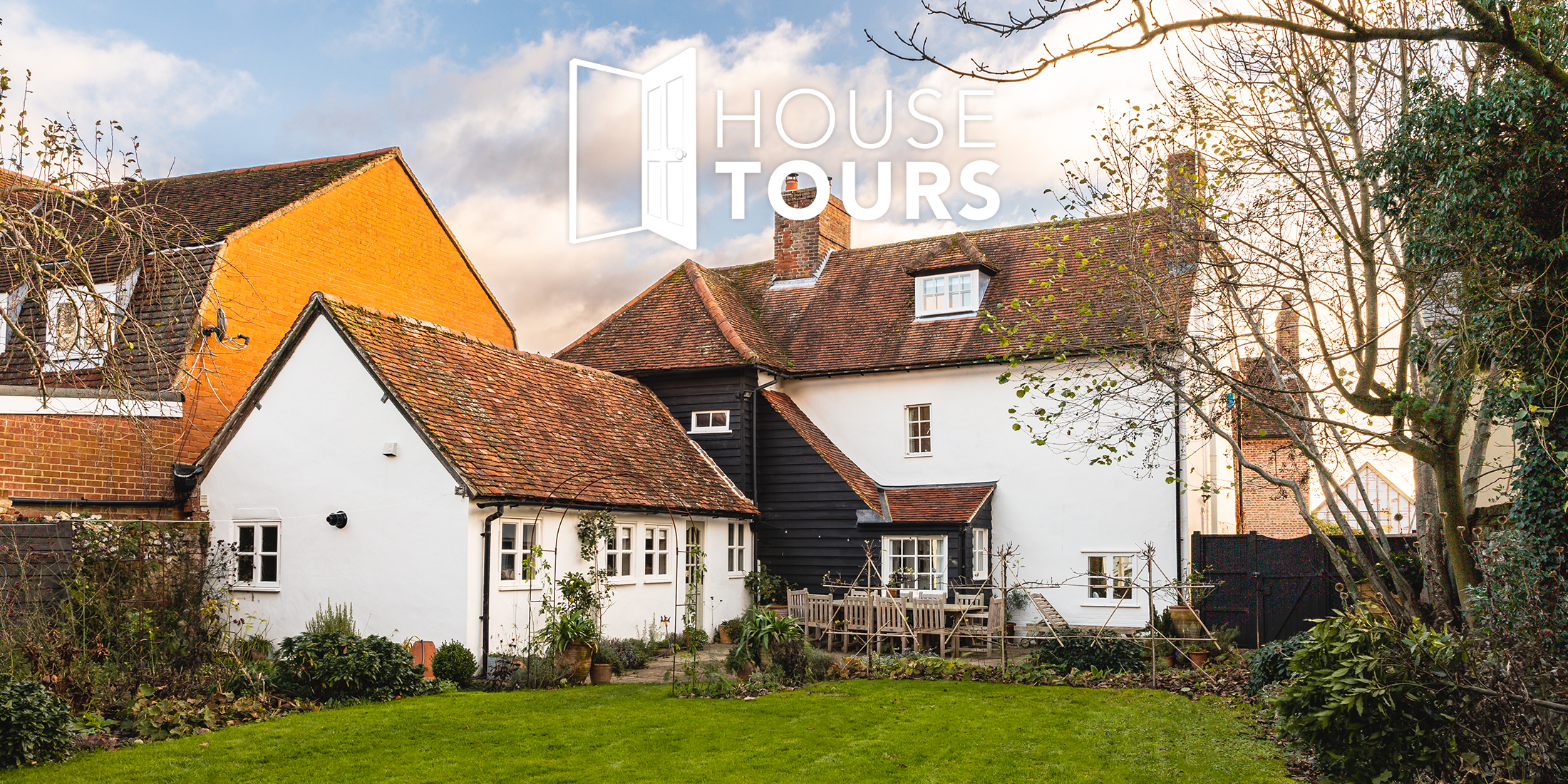
For our first House Tours of 2022, join us as we take a look inside this historic 17th century pub, lovingly transformed into a beautiful home.
Renovation Project
When Kate first viewed this former 17th century pub in Hertfordshire, she had no intention of taking on a renovation project.
Her job involves working with listed buildings at risk, and she did not want her home life to feel like work.
The property was a pub until the 1980s, when it was converted to a residential home.
In recent years, the house had been rented out while the previous owners lived overseas. It was only when they came to sell that they discovered the damage caused by their tenants.
There were smashed light fittings, broken doors, animal mess and plenty of other problems.
Despite the condition of the property, the smell and the damage, Kate fell in love as soon as she walked in.
There was a beautiful oversized fireplace, original beams and fireplaces in many of the bedrooms. It needed a lot of TLC, but Kate knew she could restore it.
17th Century Pub History
The property dates back to the mid-1600s and would have been a typical coaching inn.
The town originally had ten pubs and was an important stopping place for travellers going between London and Cambridge.
Period Beams
The beams are a wonderful feature of the property, with many showing original marks and holes that date back centuries.
There are witch marks by the front door and taper burn marks on the beam in the bedroom.
Witch Marks & Taper Burns
Witch marks were often inscribed on buildings to ward off evil spirits.
These ritual protection marks were common on buildings from the medieval era, when there was widespread belief in witchcraft and the supernatural.
Taper burn marks are deep, flame-shaped scorch marks often found on period timber beams, especially from the medieval and Tudor eras.
For a long time, historians thought these charred streaks were caused accidentally by candles.
Further research has suggested that the marks were deliberately made as a result of folk superstition. The burns were intended to ward off lightning and house fires.
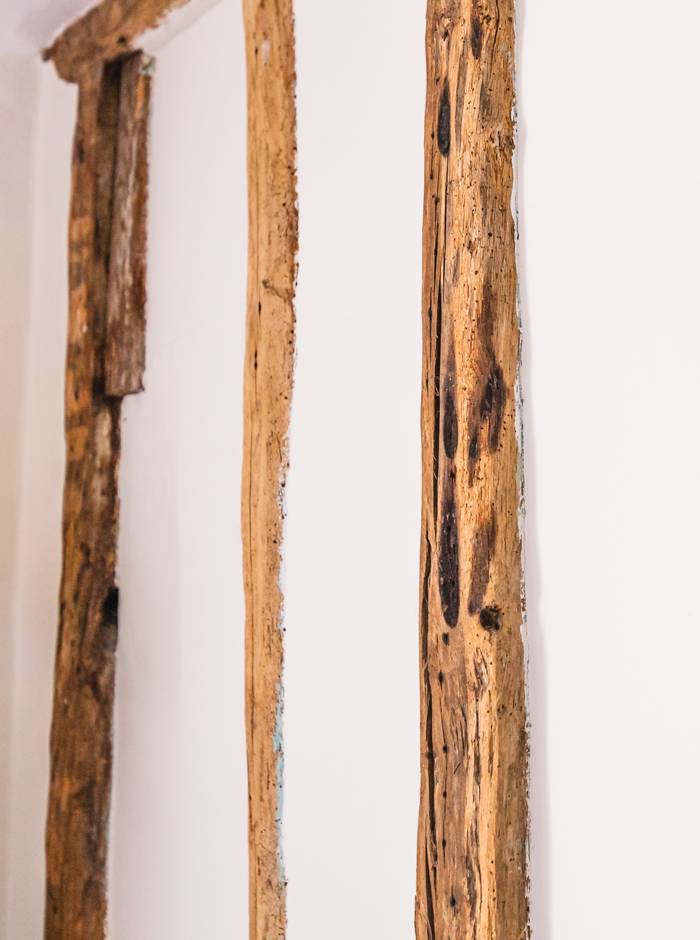
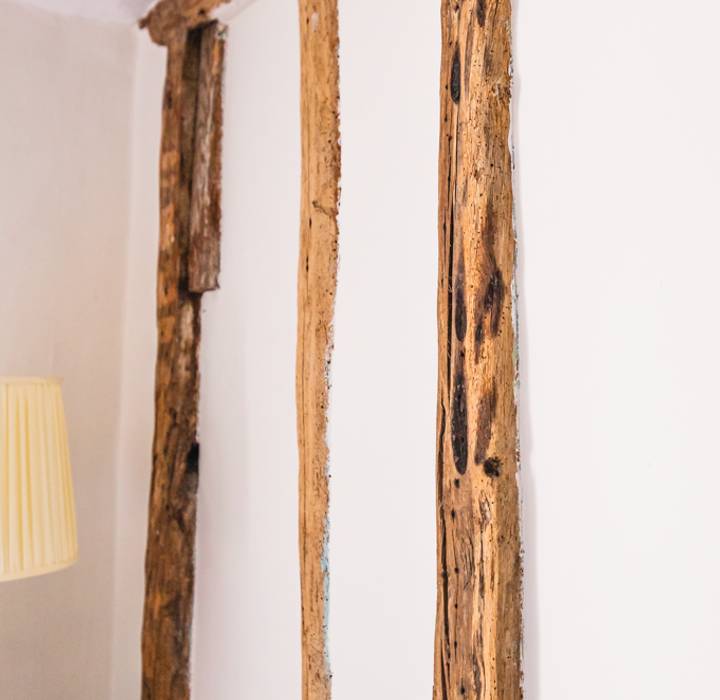
Taper burn marks on beam
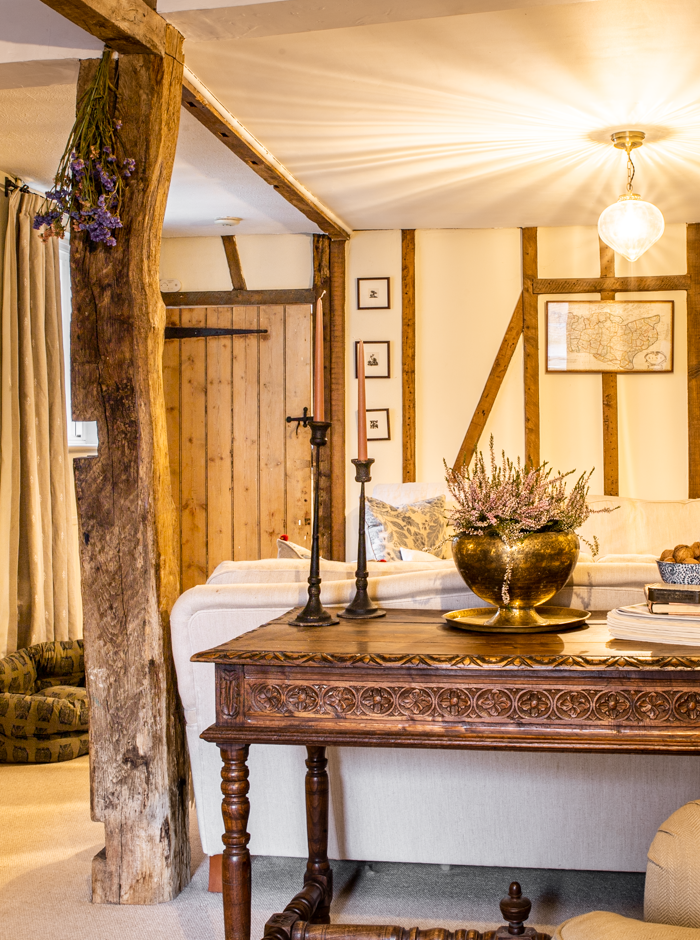
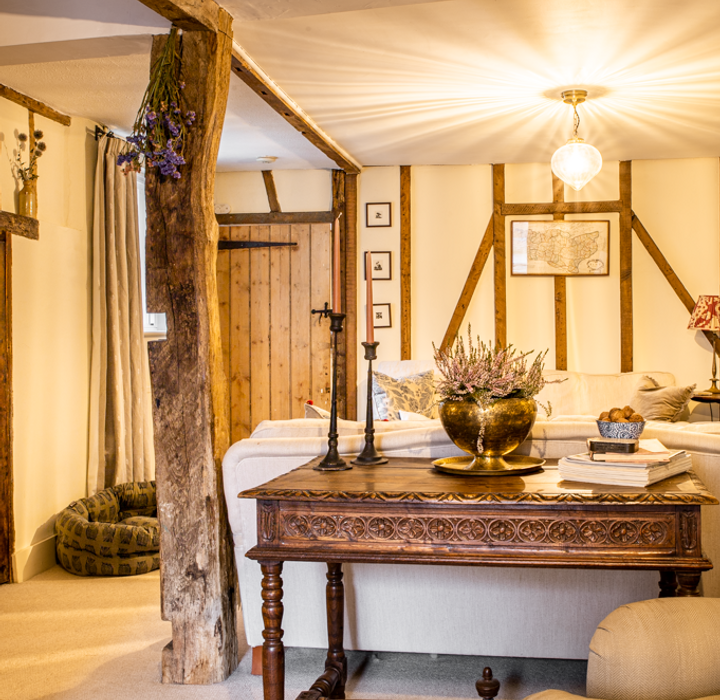
Period upright beam
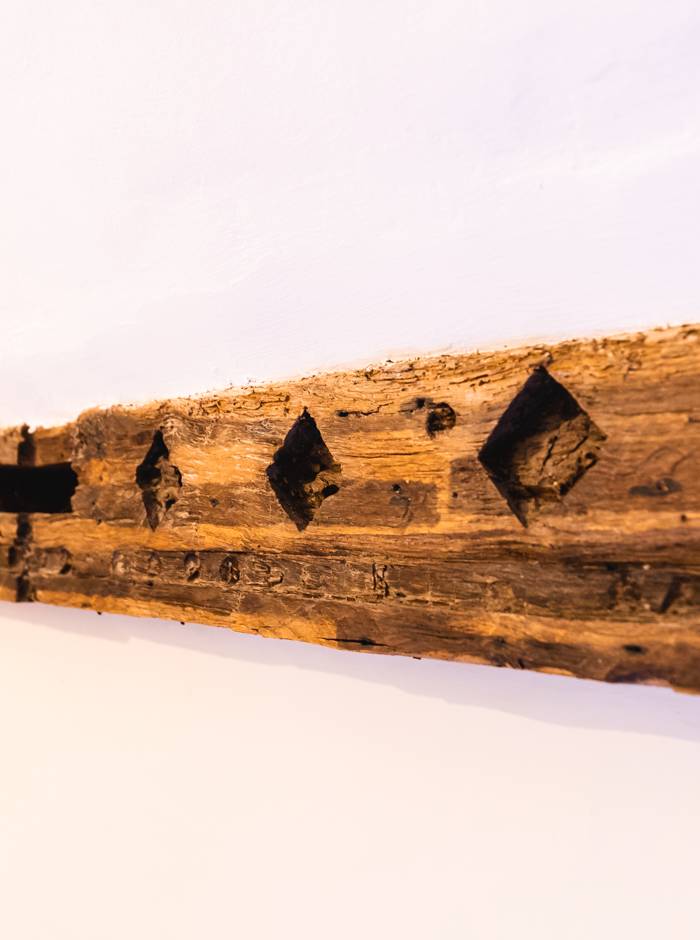
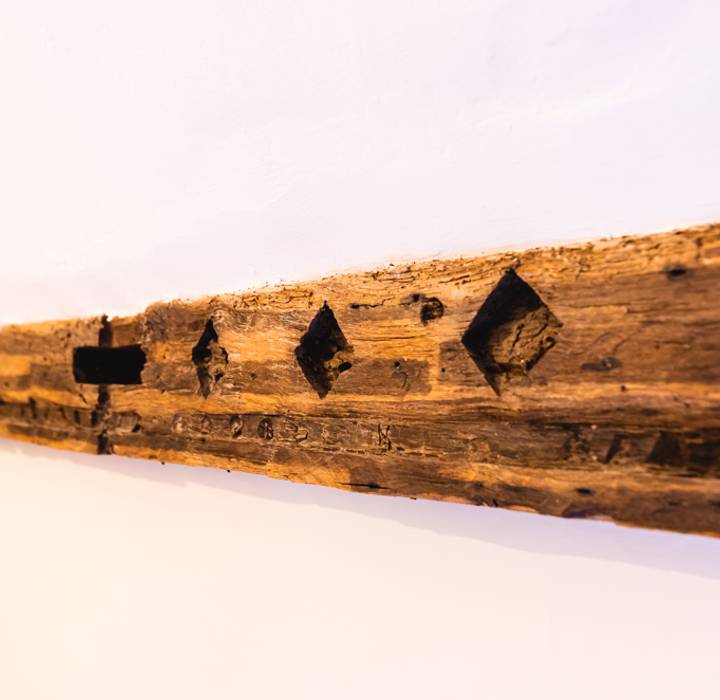
Previous mortised holes in beam
Wig Powdering Cupboard
Since moving in, Kate has learned a great deal about the history of the property.
One interesting find is the enormous cupboard in one of the bedrooms.
Kate has been told by a property historian that it would have been a wig powdering cupboard.
As the pub was a coaching inn, travellers would have needed somewhere to store and powder their wigs without the powder going everywhere.
Old Stable Block
At the back of the property, the kitchen and utility room are located in what would have been the old stable block.
Kate pointed to the roof space above, where there are still small rooms with lath and plaster walls. These loft rooms would have been where the stable boys slept.
Period Fireplace
The main entrance room houses the original large fireplace.
Although fireplaces were not brought into general domestic use until the Georgian and Victorian eras, this was a public house, which explains the huge centrally positioned fire.
Kate explained how the hearth would have been at floor level, with the niches either side used as seating areas.

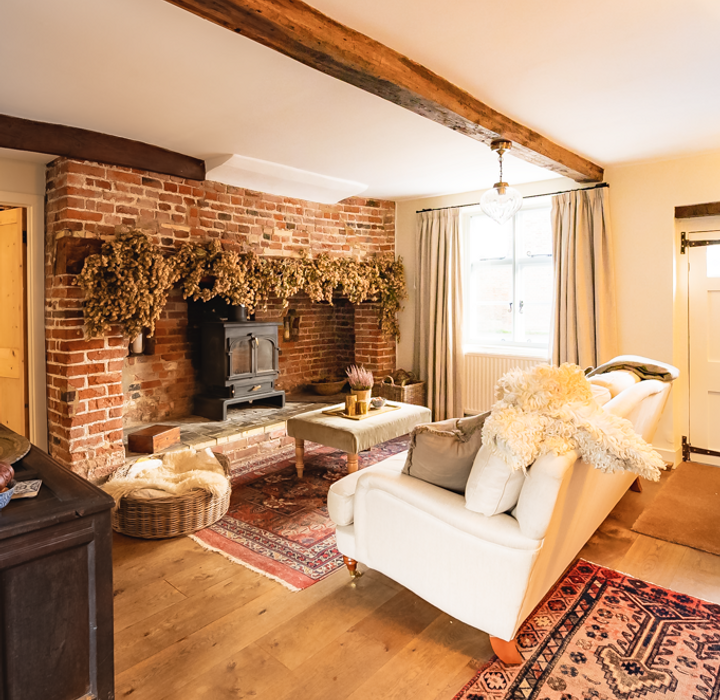
Stunning period fireplace
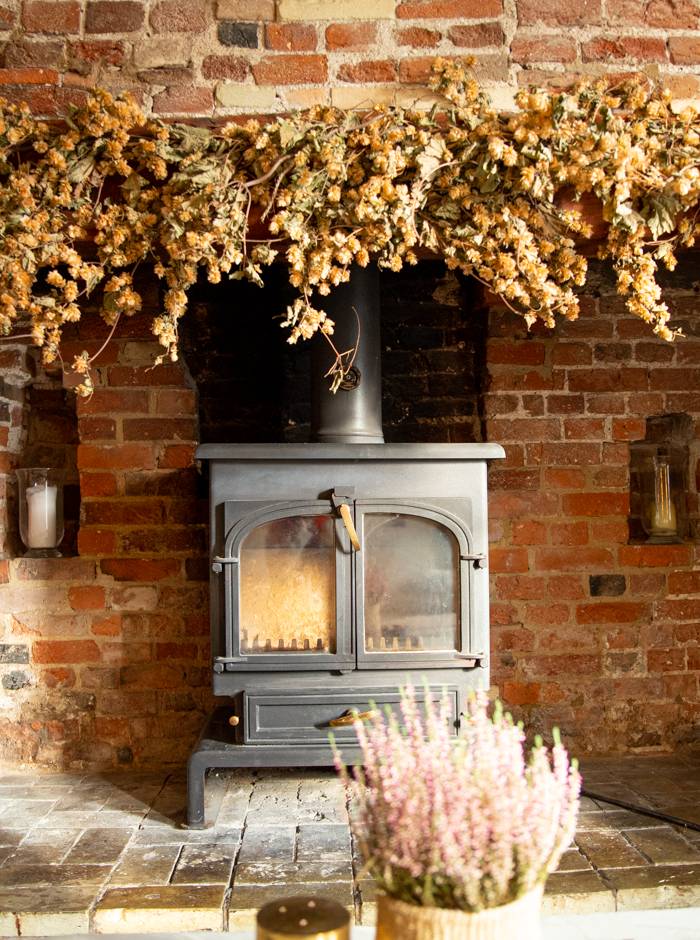
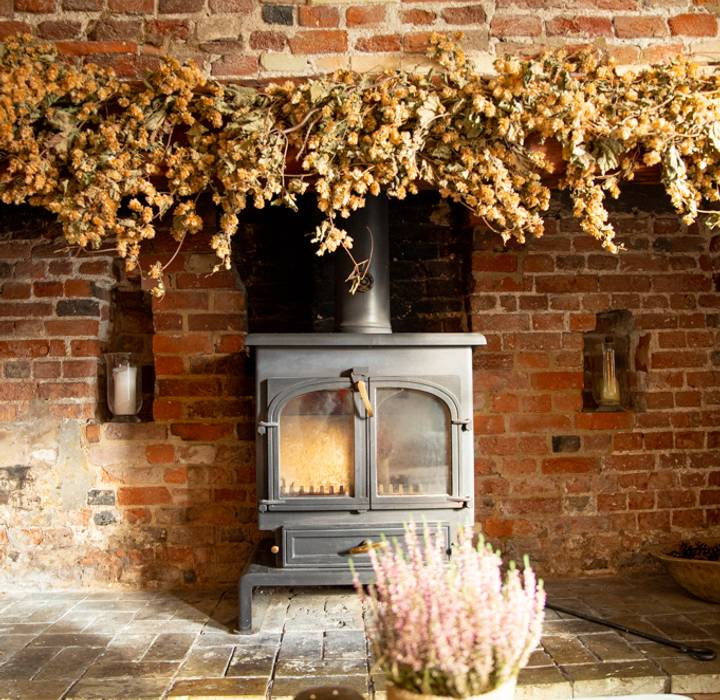
Original brickwork with niches either side
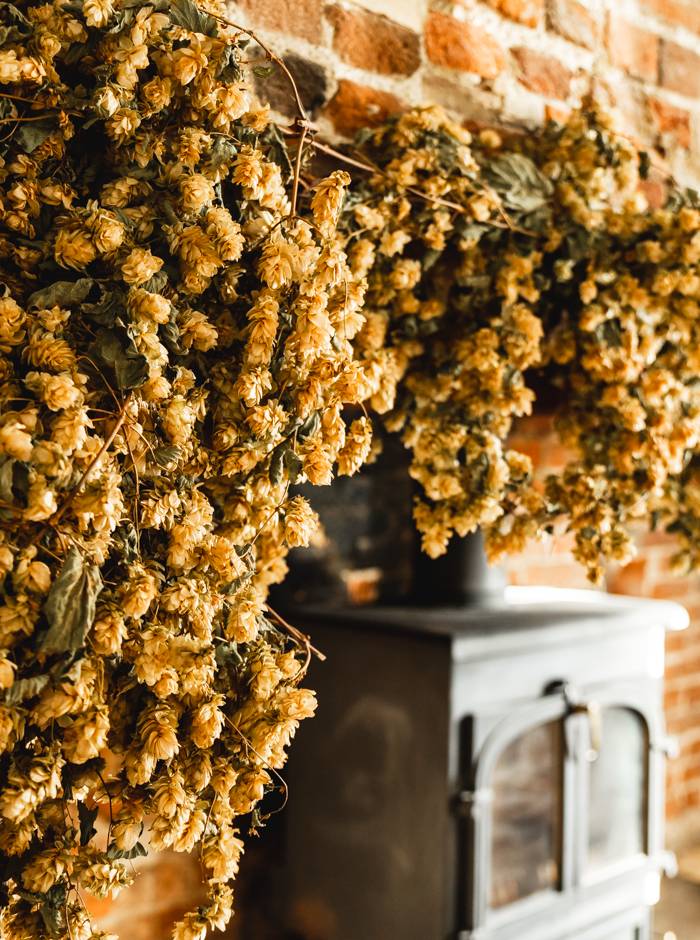
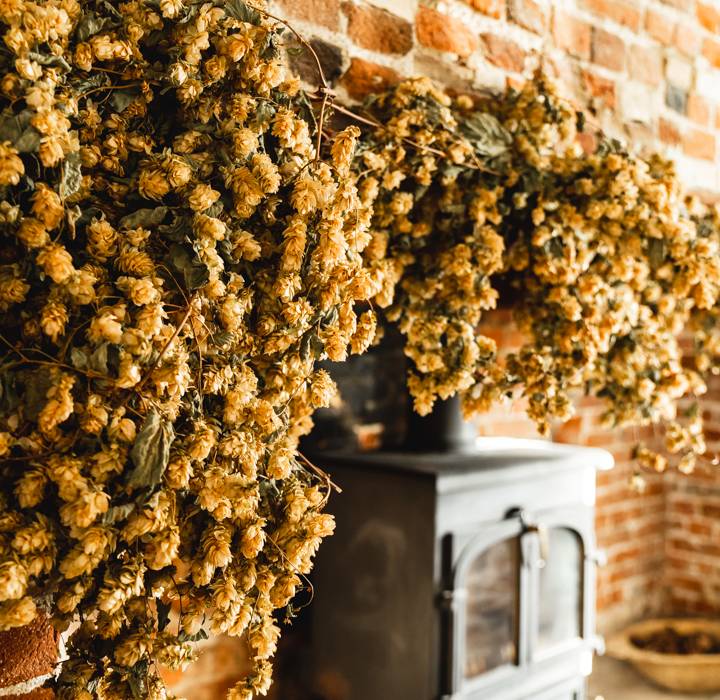
Decorative hops around the fireplace
The Renovation Journey
Before Kate could move into the property, the terrible smell needed to be tackled.
The smell was so bad that the previous owners agreed to have the carpets removed and the house fumigated before the sale was completed.
When Kate finally moved in, it felt almost like camping.
On her first night, it was so cold that she considered going to a hotel. Even her dog and cat needed blankets.
Kate persevered and continued living there throughout the renovations, including five weeks without electricity.
See the Project Directory for details of the tradespeople used to complete the work.
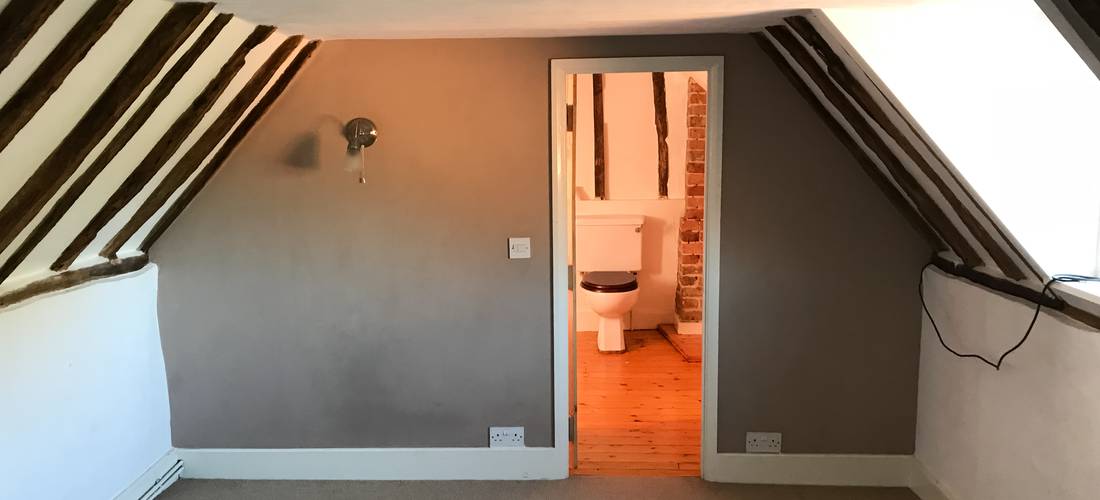

We Asked Kate About the Renovations
How long did the work take to complete?
I moved in around two and a half years ago and did the restoration work in priority order:
- Electricity
- Repairing leaks
- Replacing rotten timber
- Renovating brickwork
- Decorating
There were lots of leaks, and I had scaffolding up for six months to fix the windows, which were about to fall out.
Most of them were held in with gaffer tape. Some of the windows had water running behind them.
The bathroom needed a complete refresh, but I was lucky that the previous owners had installed a handmade kitchen around 15 to 20 years ago.

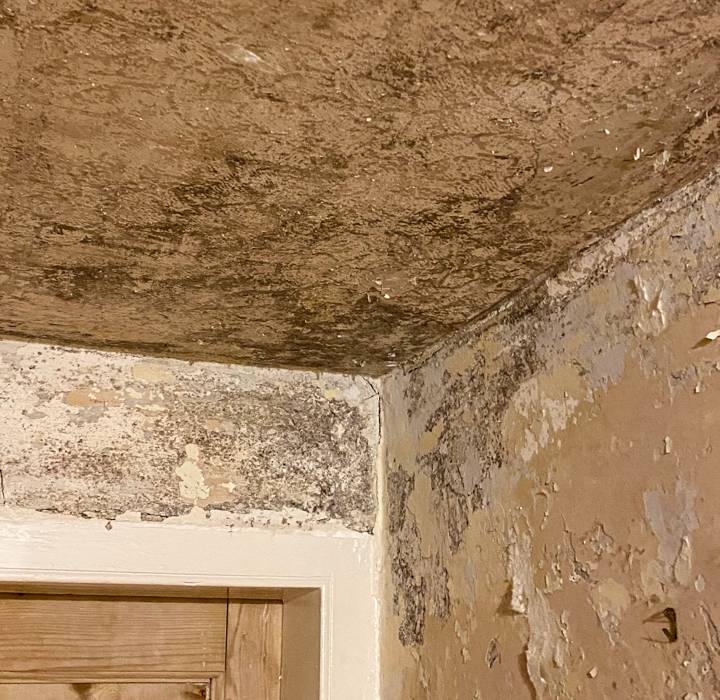
Damp and mould problems prior to renovation
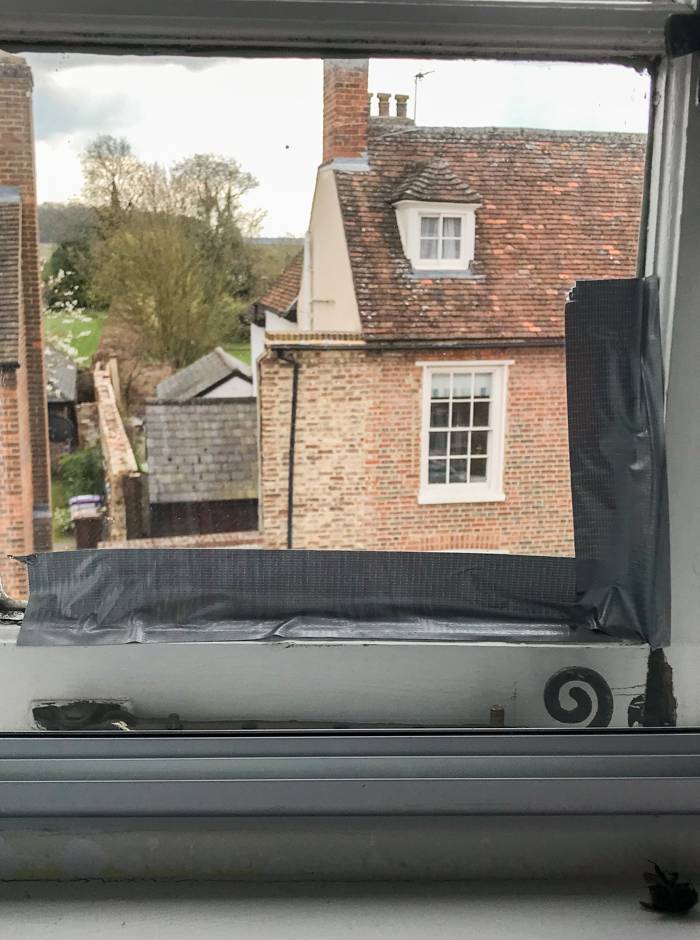
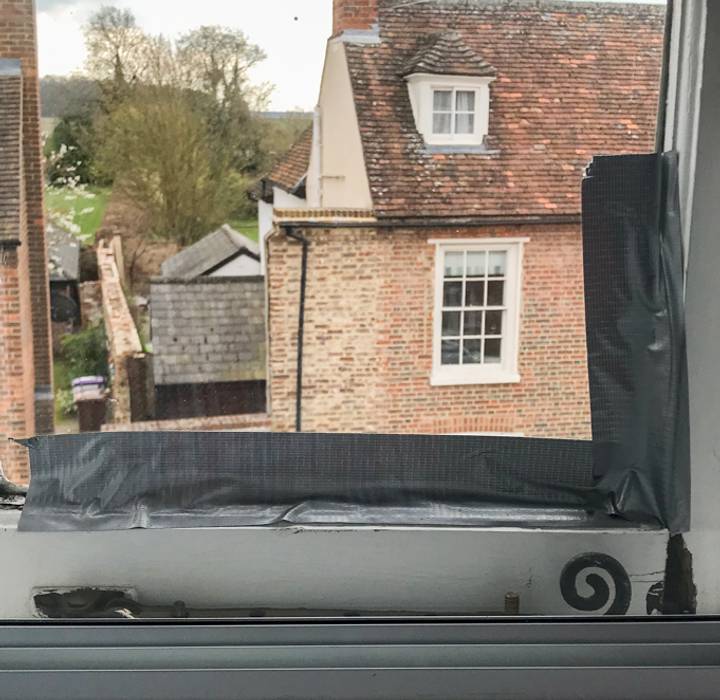
Windows held together with gaffa tape
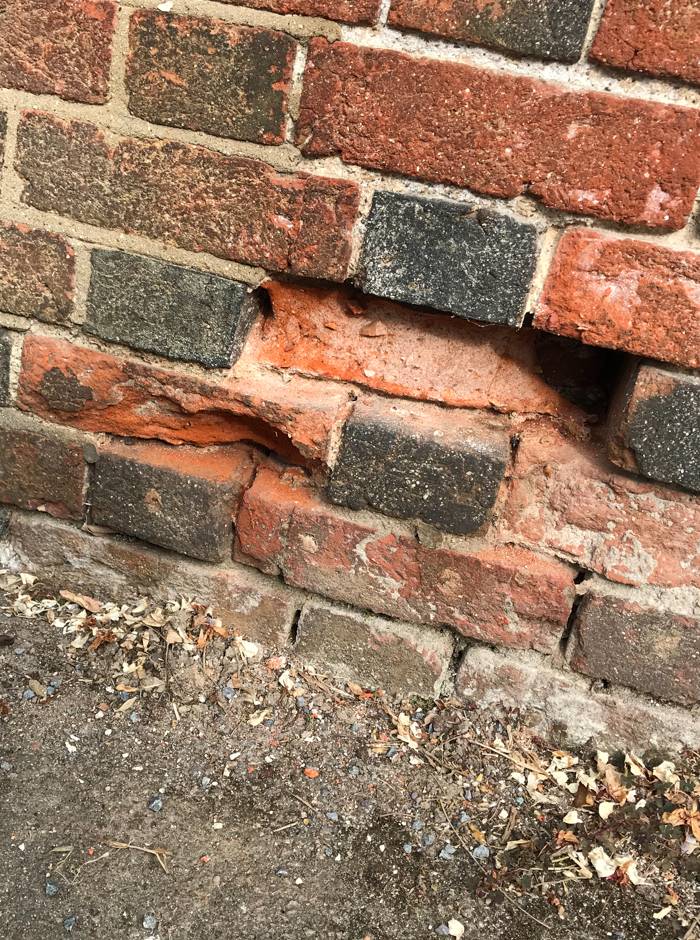
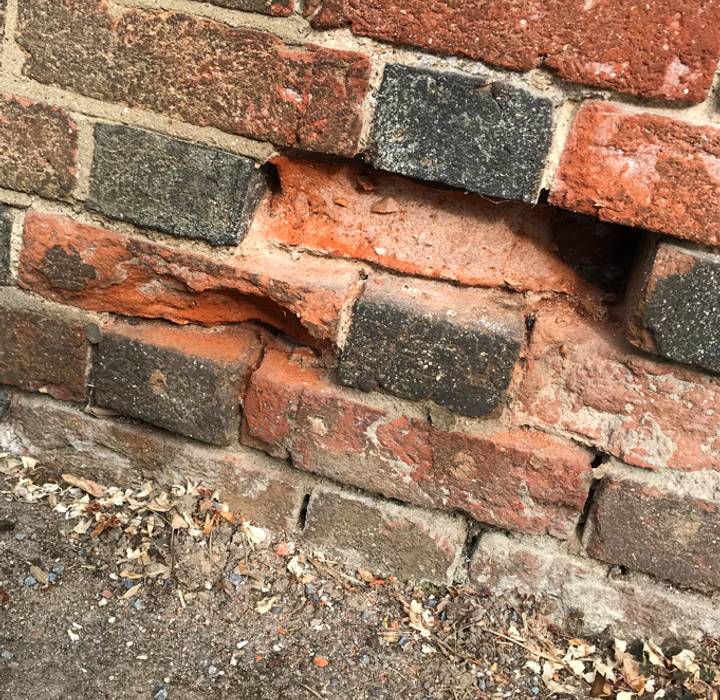
Brickwork needing restoration
Did your plans change along the way?
When I first moved in, I expected the plumbing to be tackled first, but it was not as bad as I thought.
The electrics became the urgent priority. We had to go through each room to find the problem, and eventually a hidden broken light was found, which had been tripping the whole system.
What were the main difficulties with the renovation?
There were leaks everywhere, and these were very time consuming to sort out.
The guttering was blocked, which caused further problems. These were all small jobs, but they created a lot of disruption.
Did you find anything unusual?
There were old newspapers stuffed into cracks, horseshoes in the garden and a tiny vintage tile that dates back hundreds of years.
There was also a box of sex toys in the loft, which was quite a surprising find.
What is your favourite room?
My favourite feature has to be the fireplace, but the best room is the bathroom.
It was a huge labour of love. After many months of planning and almost five months of work, it is the room I am most proud of.
I wanted the bathroom to have a cosy, lived-in feel, so I chose reconditioned taps in unlacquered brass, a vintage-style bath and a simple shower cubicle.
I had to source most things during the January lockdown of 2021, and I was nervous about ordering expensive pieces online without seeing them first.
It turned out well. The unlacquered brass was rather bright at first, but it is dulling down nicely and gives a real period feel to the room.
Decor Decisions
Kate previously lived in a Victorian terraced property with high ceilings, decorated with deep colours from that era, including dark reds, greens and blues.
For the old pub, Kate initially thought she would use a similar colour scheme and painted the dining room a deep red-purple.
It made the room too dark, and the colour seemed to clash with the beams.
Kate realised that the best colour scheme for the house would be neutrals, choosing earthy off-white, brown and grey tones.

Most of the rooms have been painted with slipper satin.
This chalky off-white colour highlights the beams and creates a calm backdrop for the period features Kate wanted to restore.
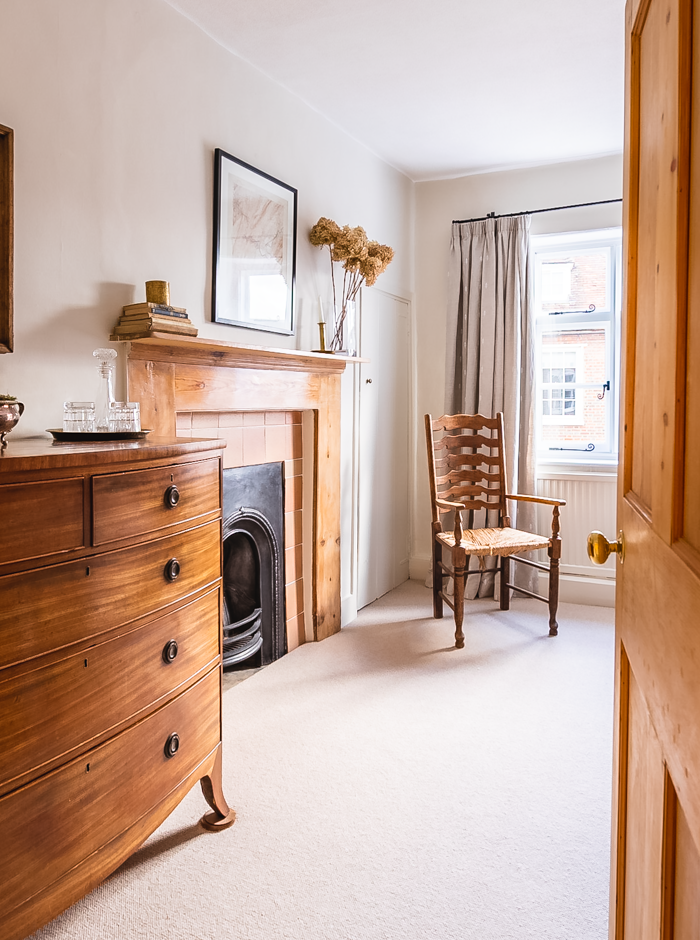
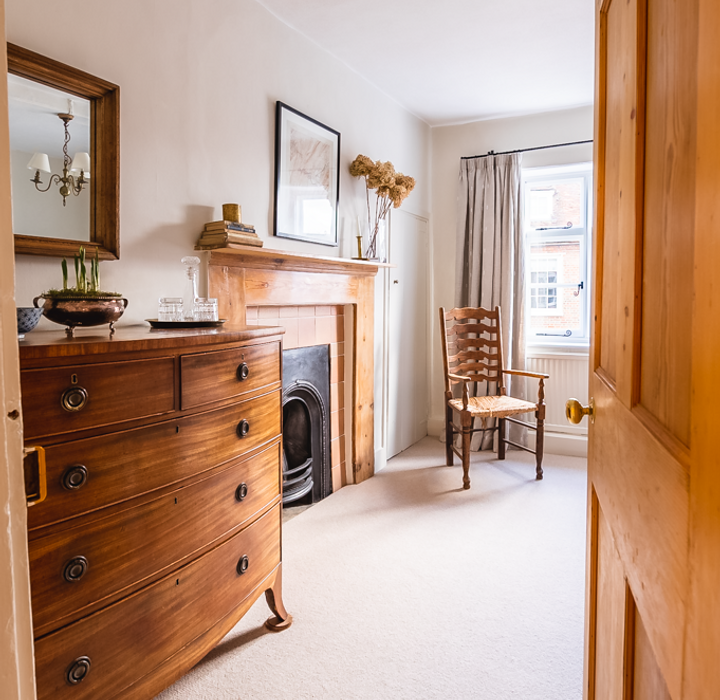
Classic neutrals in the bedroom

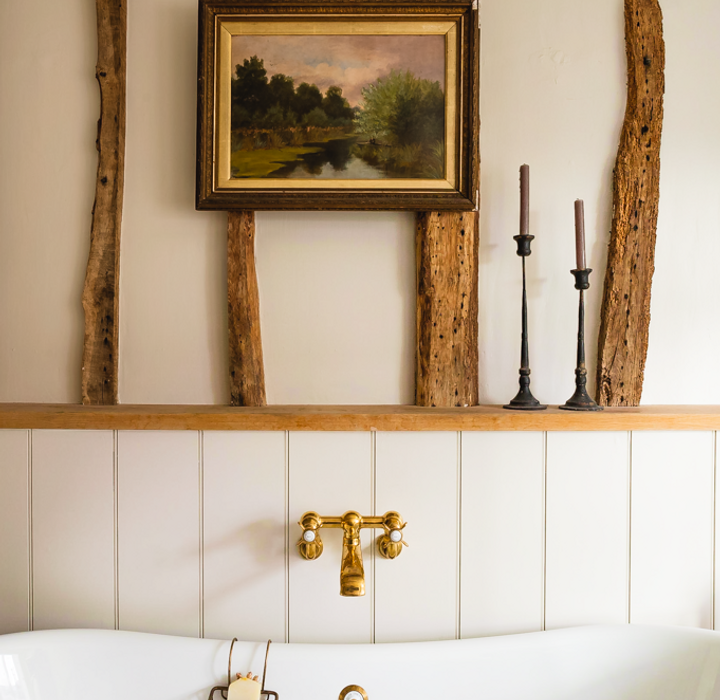
Soothing tones for the bathroom
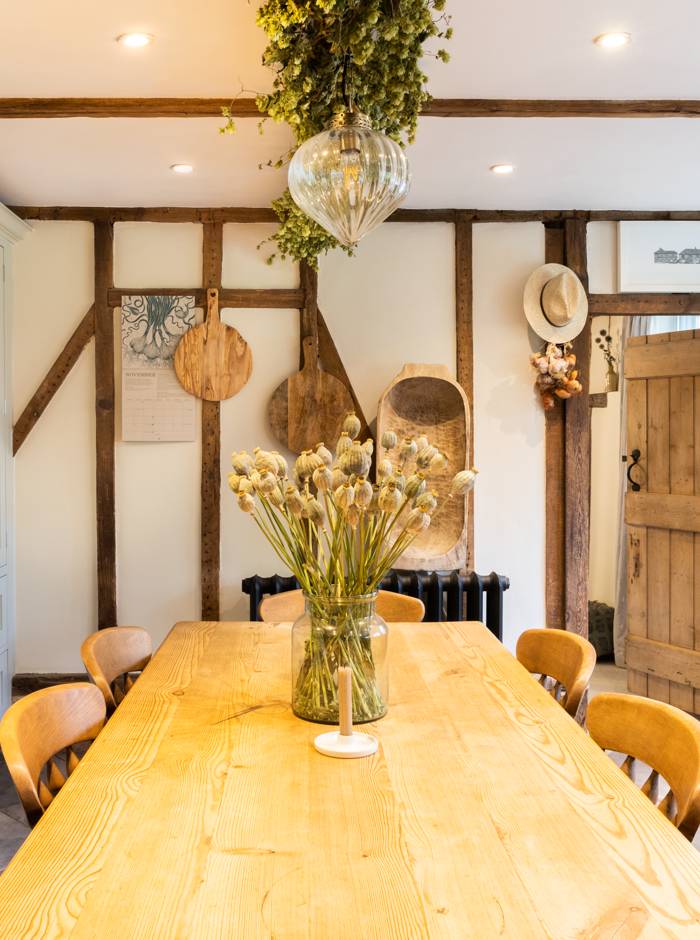
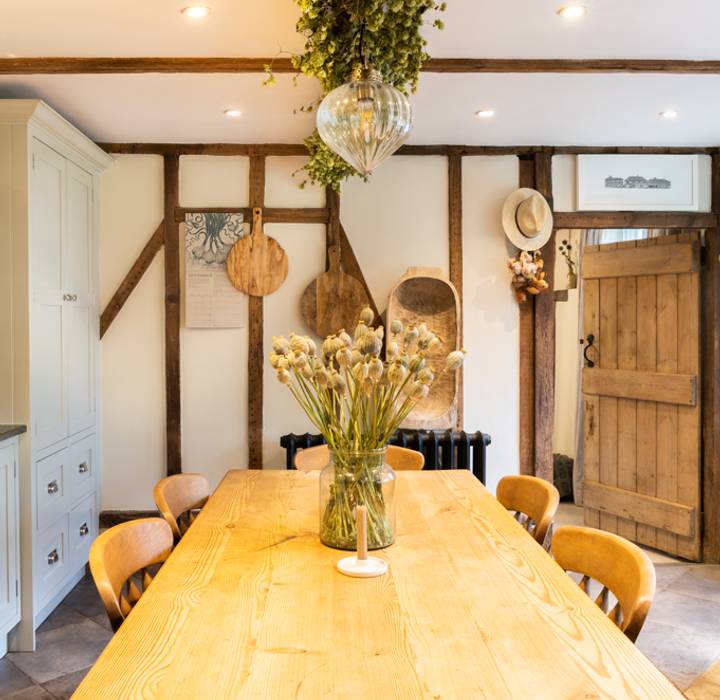
Chalky white gives the perfect contrast to the period beams
Classic Period Style
The old pub has been renovated beautifully and retains its period character.
Kate has found hardware that suits the history of the house. Although modern designs can work well in period properties, it is often worth choosing pieces that suit the building's age and style.
Traditional ledge and brace doors with hand forged Suffolk latches are found in many older houses, especially those from medieval and Tudor periods.
Kate has replaced broken and worn door ironmongery with black beeswax hand forged latches and T hinges.
On the cupboard doors around the house, there are matching latch sets and wooden beehive cabinet knobs with antique rose plates.
In the kitchen, the bespoke cabinets have a farmhouse style with simple chrome cup handles and cupboard knobs.
In time, Kate thinks she may change the chrome for brass cabinet furniture, but that is a job for the future.
The windows, which caused so many problems with leaks, are now beautifully restored.
The original black monkey tail casement stays and fasteners were saved and refitted.
Shop the look with these authentic designs.
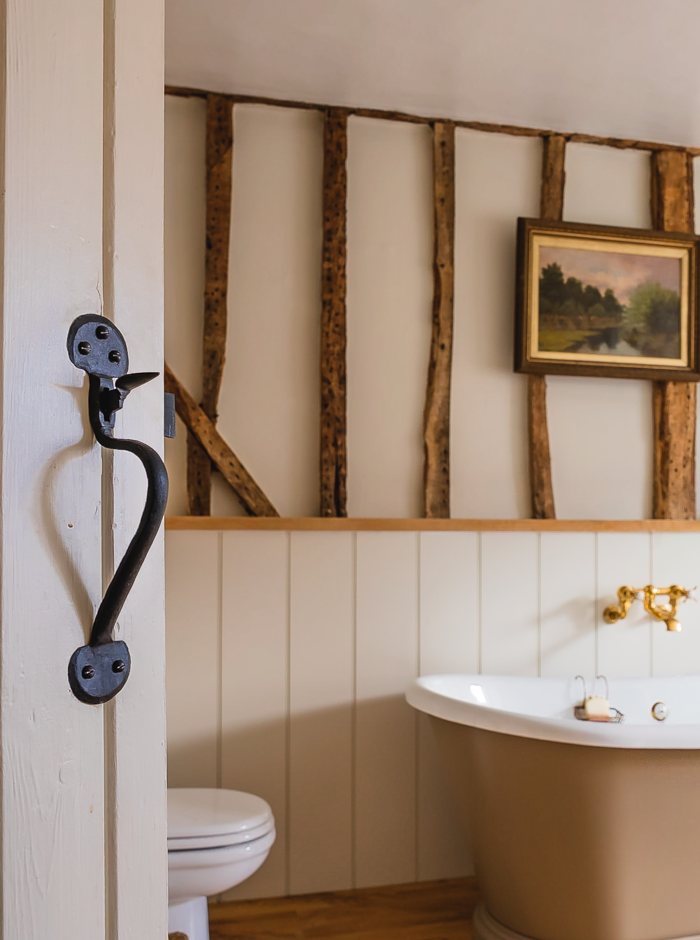
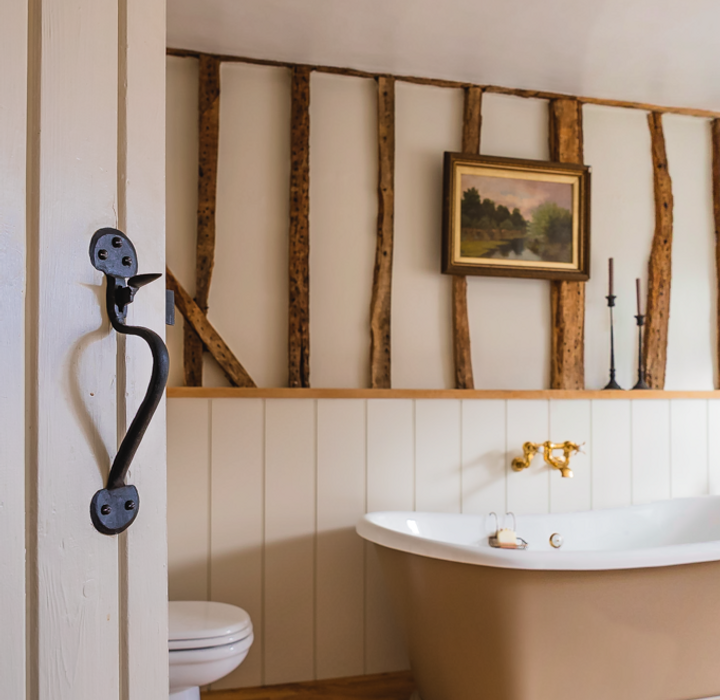
Traditional Suffolk Latch

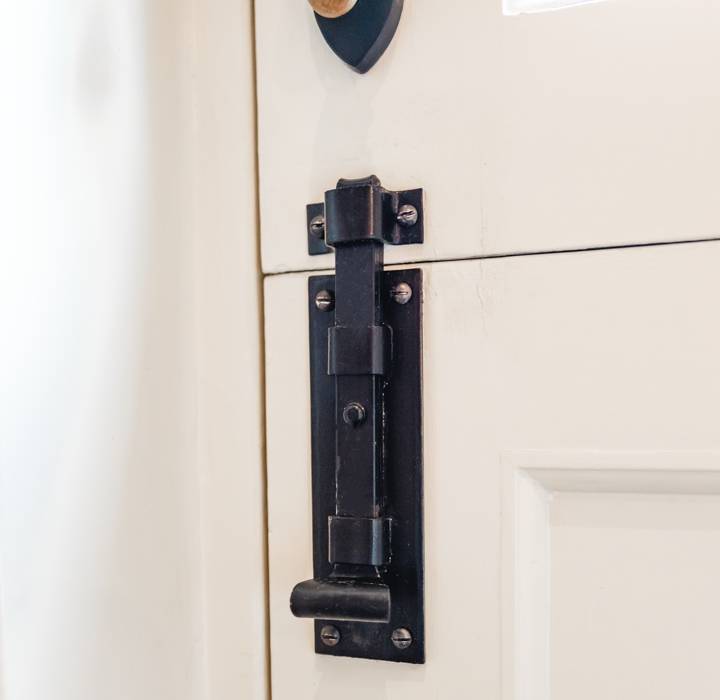
Hand Forged Straight Door Bolt
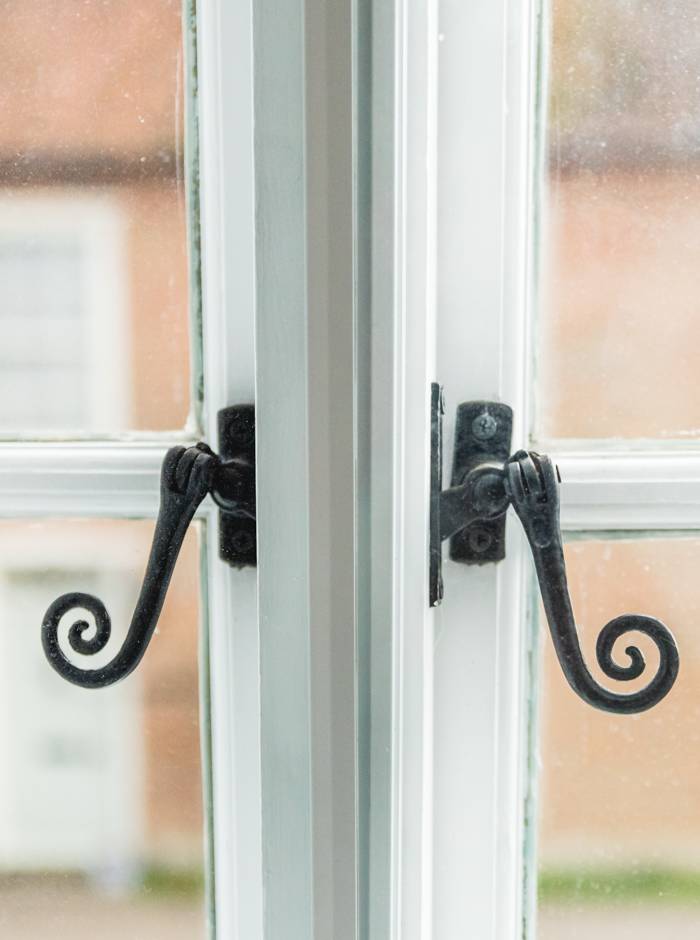

Classic Monkey Tail Window Furniture
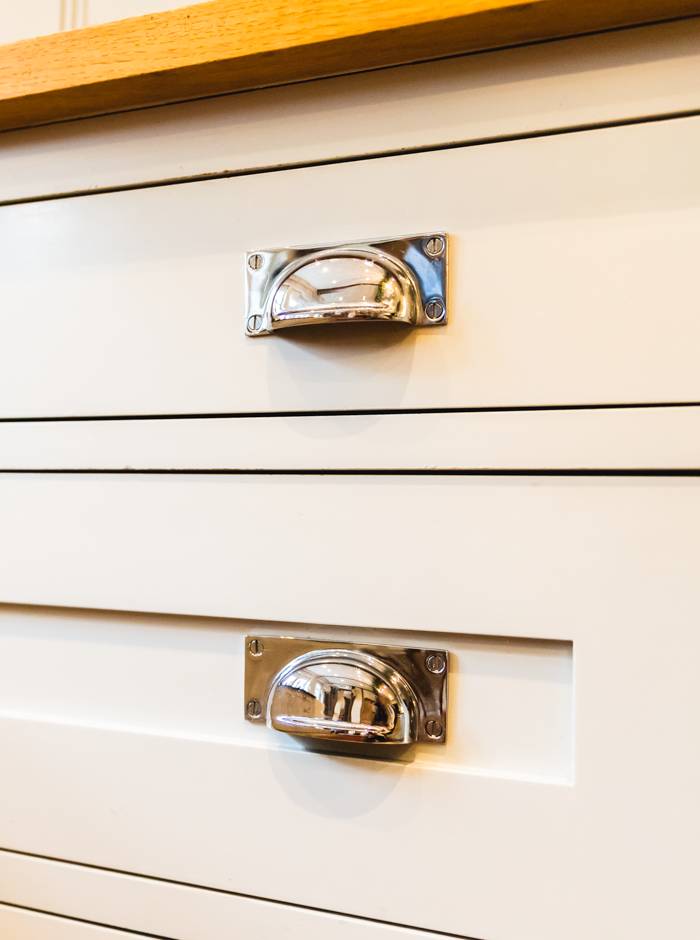
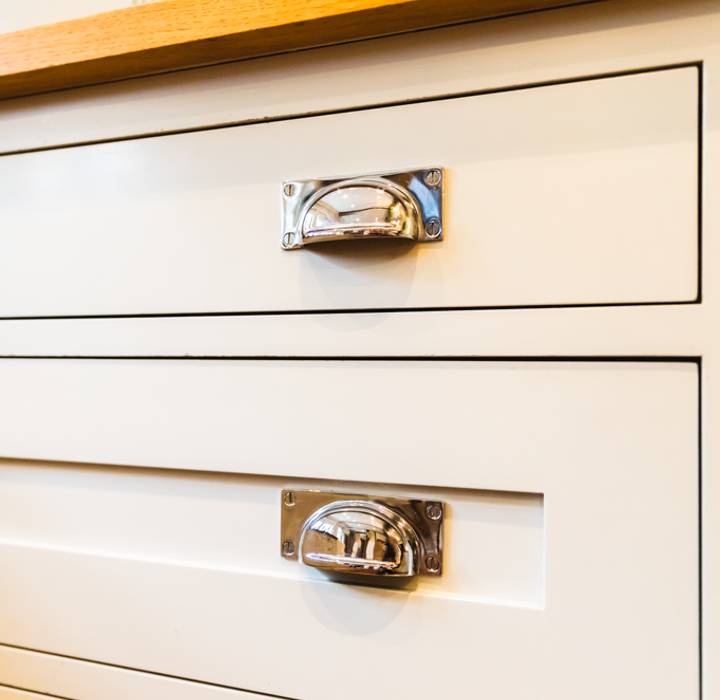
Polished Chrome Cup Handles
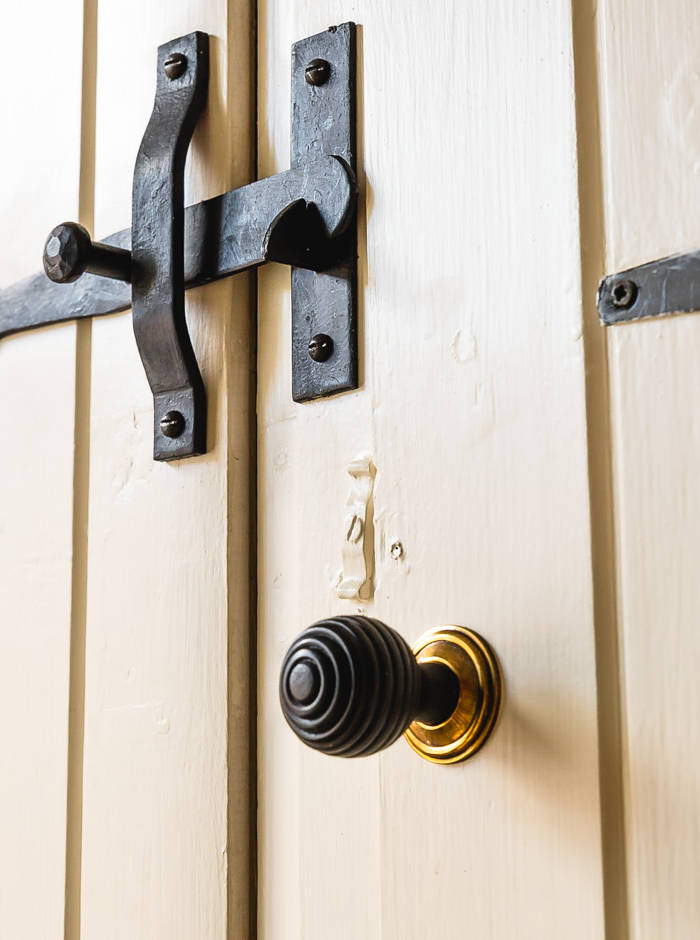
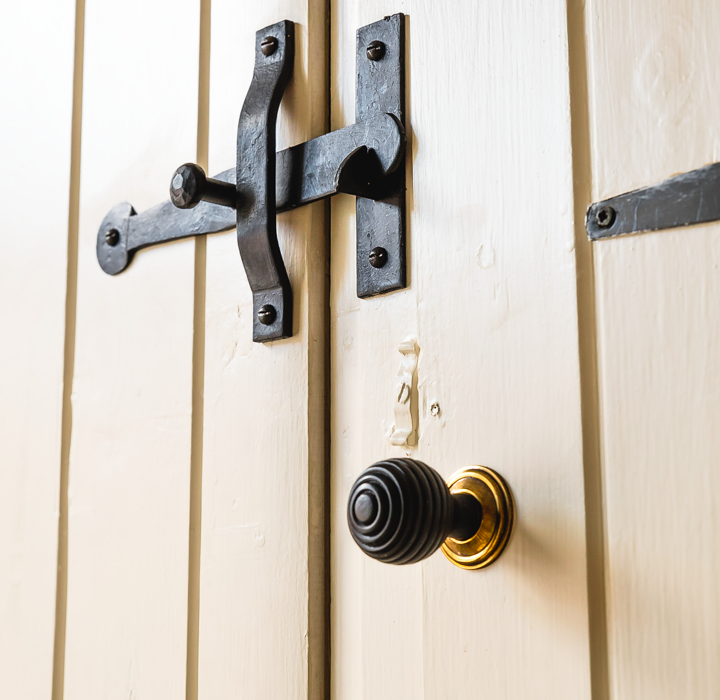
Liquid error (snippets/article-triple-promotion line 97): product form must be given a product
Beehive Cabinet Knob With Antique Brass Roseplate
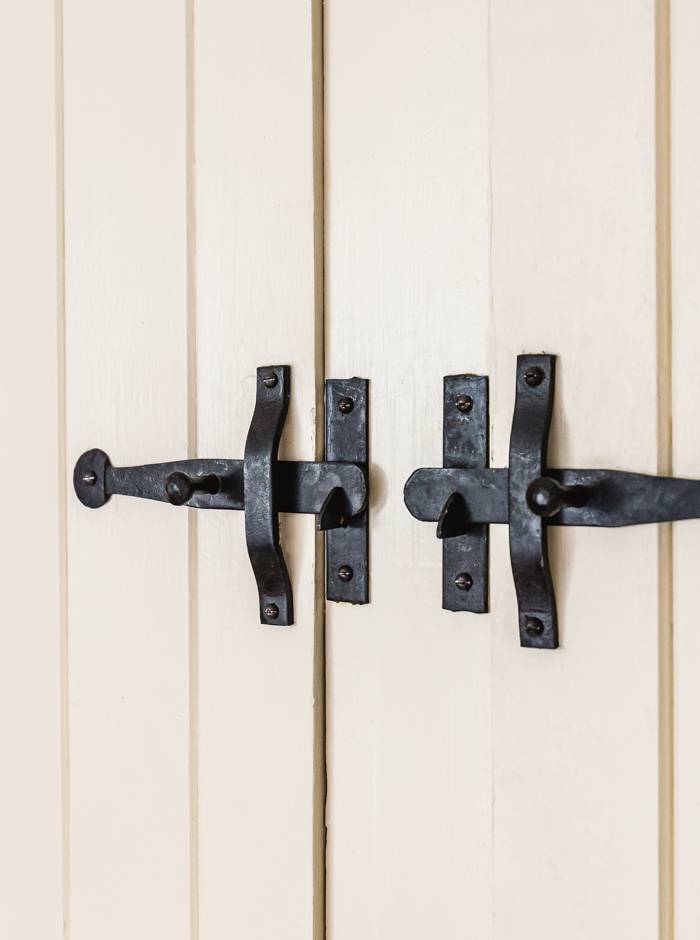
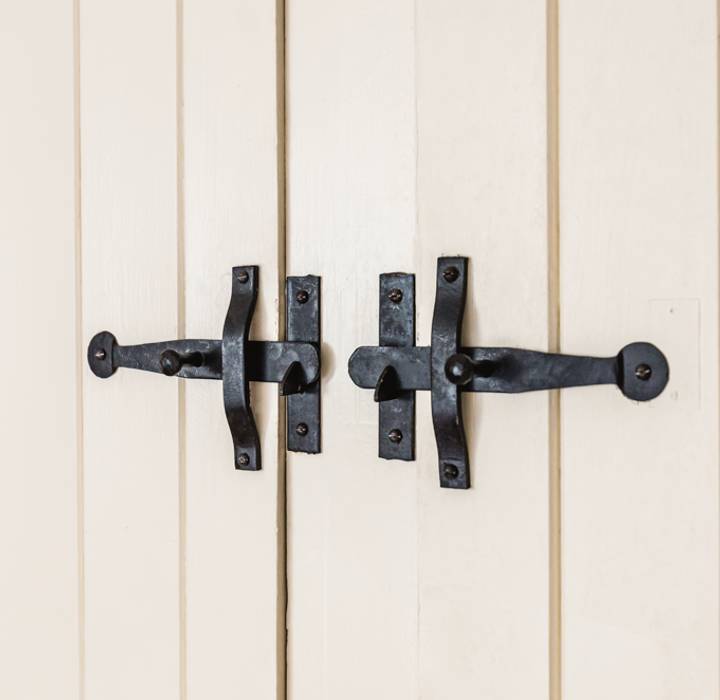
Latch Set For Cupboard Doors
Tips & Advice
Kate shared her tips for anyone considering a similar renovation project:
- Do not rush. Take time to get to know the property and understand what will work best.
- Book tradespeople six months to a year before you need them. The best professionals are often booked up well in advance.
- Use Instagram and Pinterest communities for ideas and inspiration. There are many people working on similar home projects who are happy to share advice.
Project Directory
Kate used a number of professional tradespeople for the renovations, including:
- Conservation builder for repairing the exterior and interior brickwork
- Electricians
- Plumber: Rowden Plumbing, Ollie Rowden
- Decorator: Phillip Lloyd Decorating
@myoldpub
Thanks to Kate for inviting us into her beautiful home and telling us about her renovation journey.
To see more photos, follow Kate's Instagram account @myoldpub.
More House Tours
For more House Tours updates, competitions and the latest product news, follow us:
Instagram @suffolklatchcompany
Facebook @suffolk.latch

Applying For House Tours
Do you live in the East Anglia region? Have you recently completed a renovation or restoration project?
No matter how big or small, we are offering a personalised professional video keepsake of your home and the opportunity to be featured in our House Tours Extra editions.
Get in touch and apply now for your chance to have a unique video of your home.
*Please note prices of products quoted are accurate at the time of article publication but may be subject to change.*


