Heritage Brass House Numbers
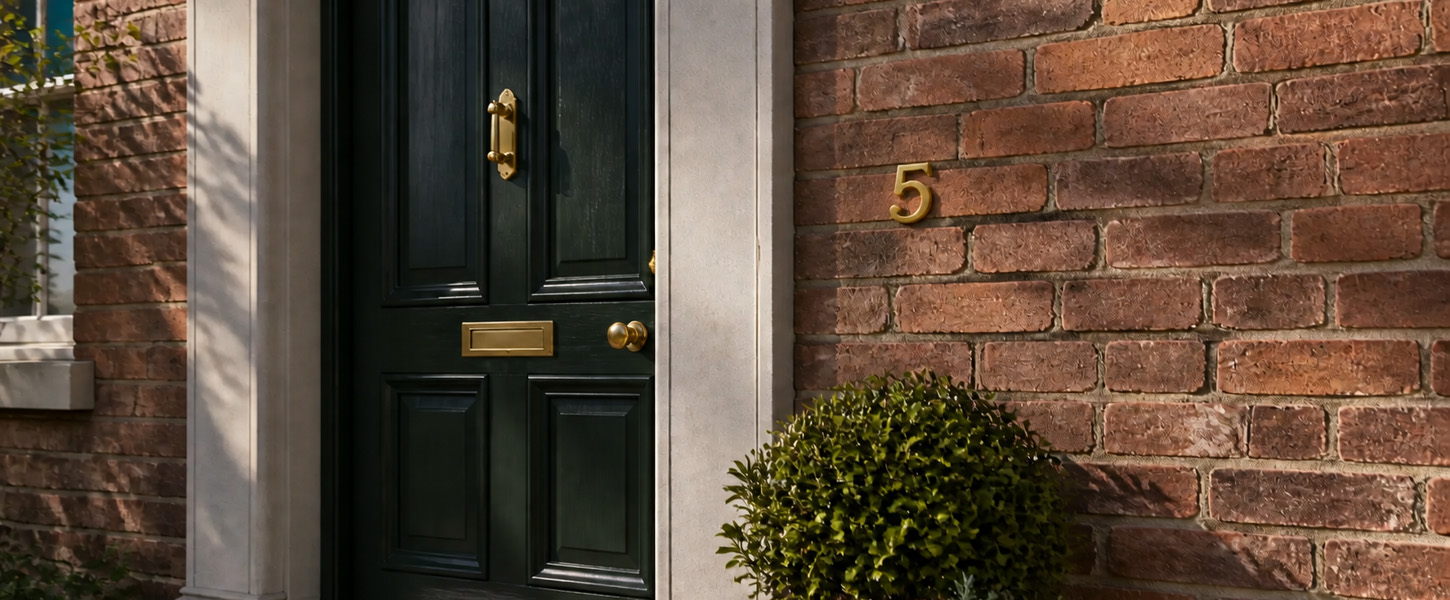
Heritage Brass house numbers are individual digits designed for displaying a property number on a suitable front door, frame, porch, gatepost or exterior wall. Their traditional typeface can complement both period properties and more contemporary entrances.
Individual numbers allow you to assemble single and multi-digit property numbers in the required sequence. Before ordering, check that each digit is available in the same size, design and finish.
Front Door Numbers
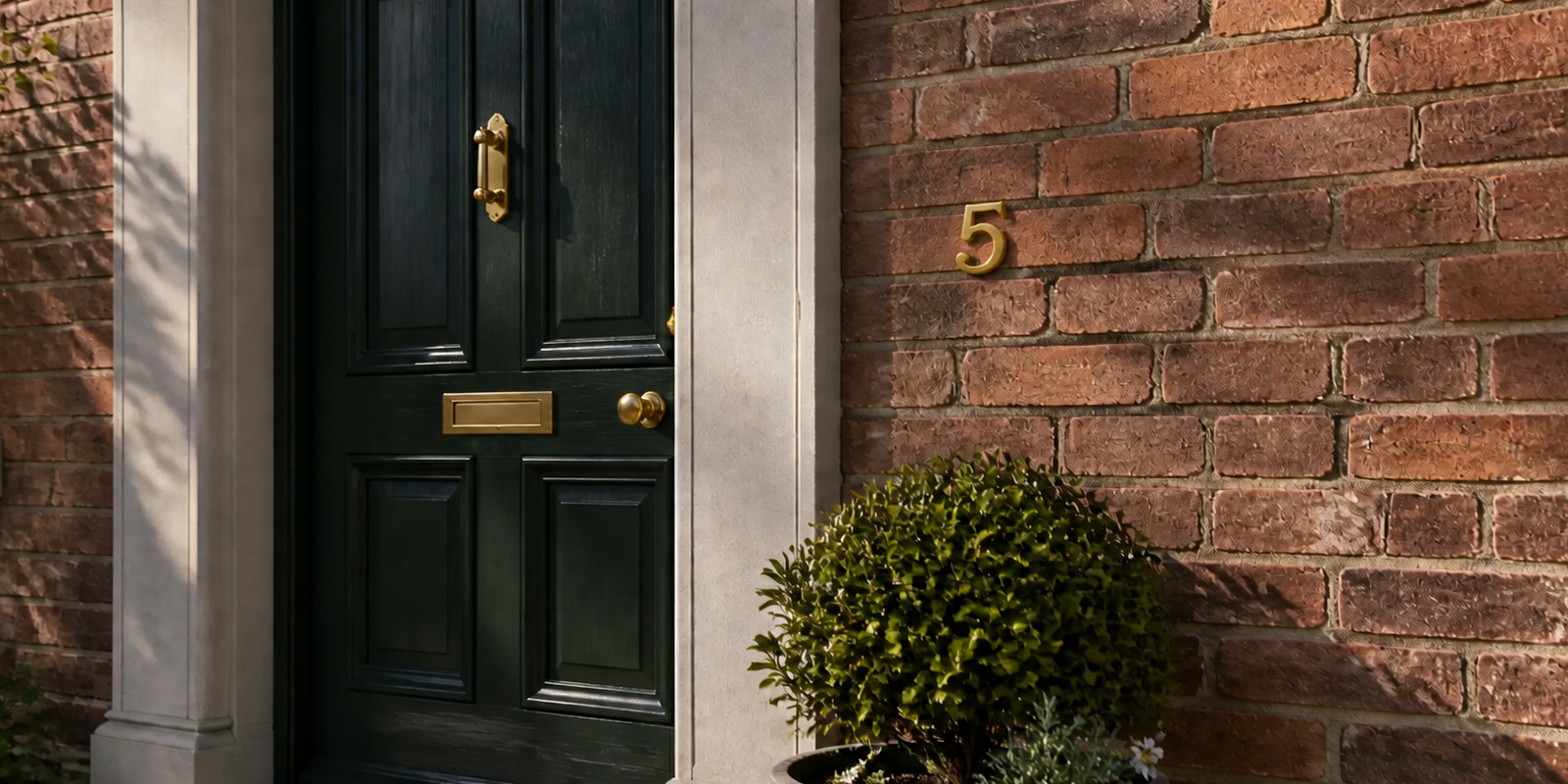
Front door numbers should be positioned where they can be read easily from the normal approach to the property. Visibility depends on the size of the numbers, their colour contrast, the viewing distance and whether the entrance is obscured by planting, vehicles or architectural features.
Consider how the numbers will appear in different lighting conditions. A finish that blends into the door may look coordinated at close range but be difficult to identify from the street.
Possible mounting positions include:
- The main face or upper panel of the front door
- A flat section of the door frame
- A porch wall or entrance column
- A suitable exterior wall beside the entrance
- A gatepost or another clearly visible approach point
Check any local addressing or property-identification requirements where they apply.
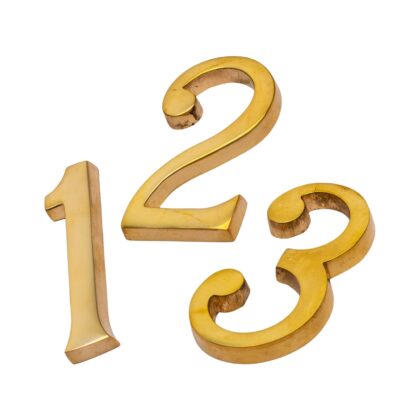
Solid Brass Door Numbers
The main Heritage Brass door numbers are made from solid brass and use visible screw fixings. They have a standard height of approximately three inches, making them suitable for many residential front doors and entranceways.
Available finishes include aged brass, polished chrome, matt bronze, satin brass and satin nickel. These options can be coordinated with related M-Marcus front door furniture.
The live product is not stated as suitable for coastal locations. If your property is near the coast or exposed to severe weather, check the suitability of the chosen number and fixing materials before purchase.
Unlacquered Brass House Numbers
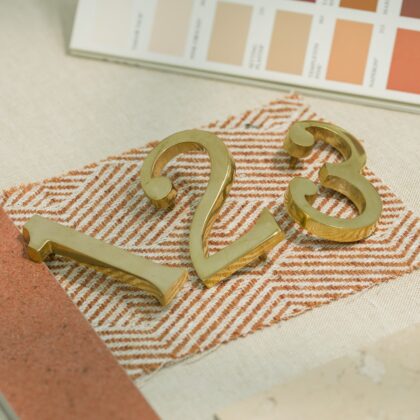
Unlacquered brass door numbers have no protective clear coating. The exposed brass reacts to handling, moisture and its surroundings, gradually developing a natural patina.
This evolving surface is part of the character of unlacquered brass. Frequently touched or exposed areas may age differently, giving each number a distinctive appearance over time.
Follow the product-specific care instructions. Polishing will brighten the surface and alter the developed patina, so consider the finish you want before cleaning.
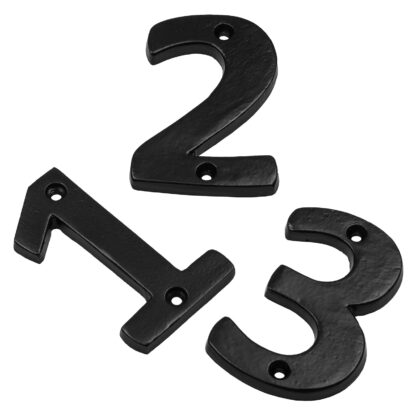
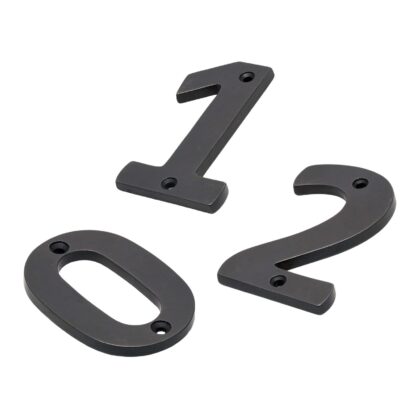
Black and Bronze House Numbers
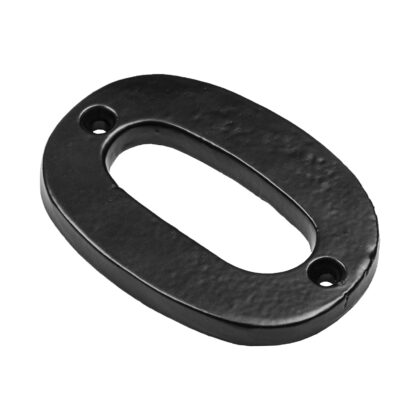
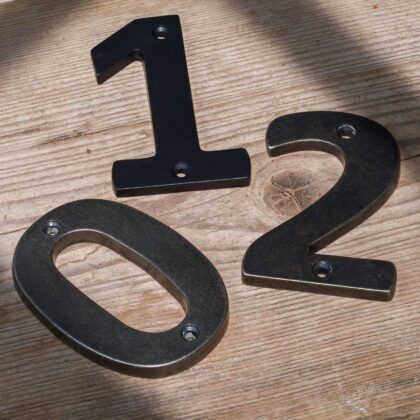
Black front door numbers can provide strong contrast against pale paintwork, render and natural timber. Bronze house numbers offer a warmer, darker appearance that can complement traditional and rustic entrance hardware.
Material, coating and exterior suitability vary by product. Check the individual listing rather than assuming all black or bronze finishes require the same maintenance.
Spacing Multi-Digit House Numbers
Arrange all the required digits together before drilling. The spacing should appear balanced while keeping the complete property number easy to read as one sequence.
Numbers with different shapes do not always have the same visual width. For example, the space surrounding a narrow “1” may need to be judged differently from the spacing between wider or curved digits.
Use a removable guide or template to maintain a consistent baseline. Step back and check the complete layout from the usual viewing direction before marking the final fixing points.
Fixing House Numbers to a Door or Wall
The correct fixing method depends on the number design and mounting surface. Screw-fixed numbers require a stable surface that can hold the fixings securely without damaging the door or surrounding material.
Before installation, check:
- The dimensions and fixing points of every digit
- The door, wall or frame material
- The depth and position of any glazing or panels
- The location of locks and concealed components
- Whether the supplied screws suit the mounting surface
- The final alignment and spacing of the complete number
Composite, metal, glazed and fire-rated doors may have drilling restrictions. Consult the door manufacturer or a qualified installer if the construction is uncertain.
Replacing Existing Door Numbers
Measure the current numbers and record their fixing positions before removal. New digits may not use the same screw spacing, even when their overall height is similar.
Check whether the replacement numbers will cover previous holes or marks. Where old holes cannot be reused safely, they may need to be repaired before the new fittings are installed.
Caring for Front Door Numbers
For the lacquered brass door numbers, regularly remove dirt and watermarks with a soft cloth. Do not use metal cleaners or aerosol sprays where the product guidance warns that they could damage the lacquer.
Care requirements differ for unlacquered brass, black and bronze products. Always follow the instructions for the specific finish you purchase.
Coordinating Your Front Door Furniture
Pair your house numbers with matching door knockers and bells, letter plates and tidies, and centre door knobs.
Browse the complete Heritage Brass front door furniture collection or explore the wider M-Marcus Heritage Brass range for coordinating door, cabinet and window hardware.